
APPLICATIONS · WINDOW GLAZING
Window Glazing Tape: Choose the Bonding System Before the Foam Strip
Choose the joint function and approval route before comparing window glazing tape.
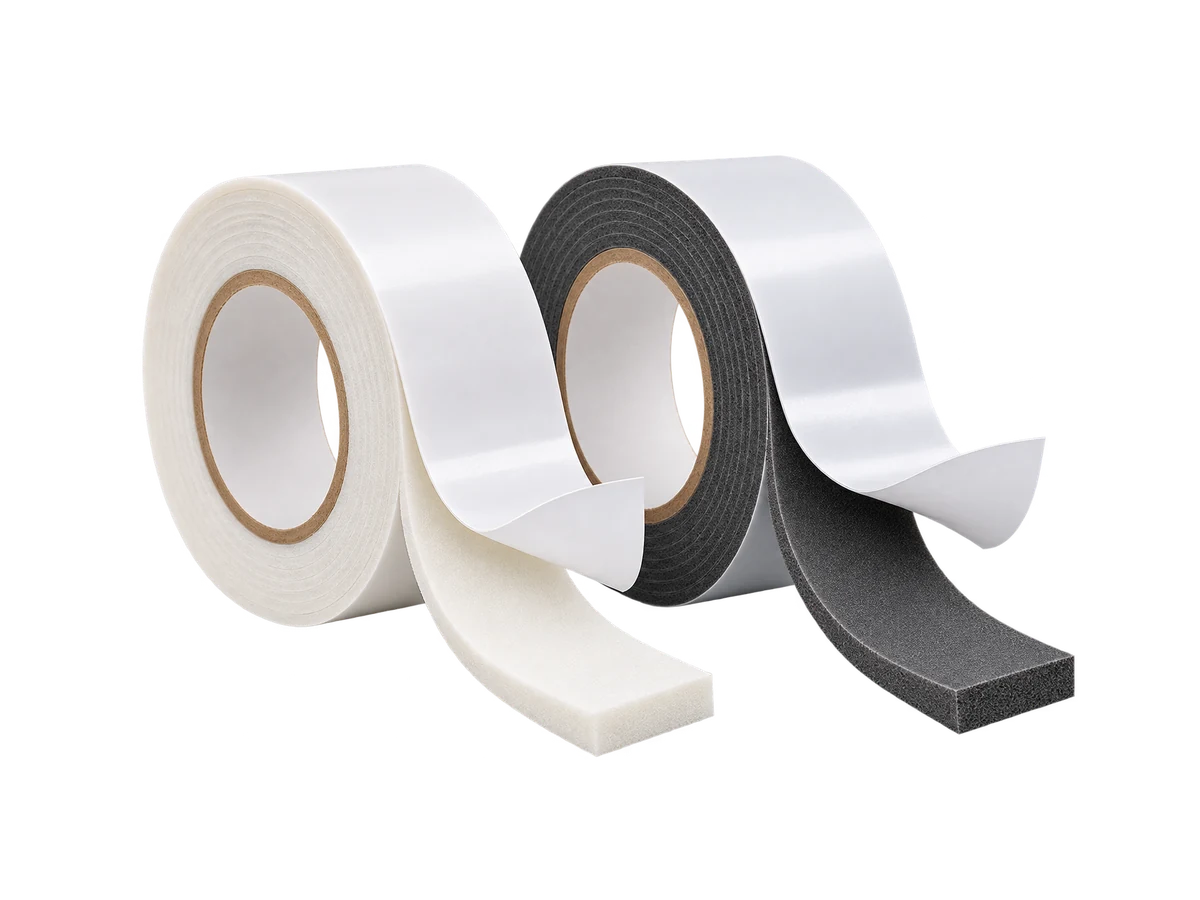
Direct answer: choose window glazing tape by first identifying the job of the tape in the joint. Perimeter sealing, glass positioning, direct glazing with a companion adhesive, and structural glass retention are different functions. A tape described for doors or windows is not automatically a structural glazing system. Name the joint function, frame and glass surfaces, and project approval route before comparing products.
Classify the window joint before selecting tape
Draw a cross-section of the installed window, then mark which component touches each surface and what it is expected to do.
- Perimeter sealing: closes an air or water path between the frame and adjacent construction. The tape may compress against a surface but does not necessarily retain the glass.
- Setting or positioning: establishes a gap, bondline or temporary location while another feature controls the glass position or final load.
- Direct glazing: bonds an insulated glass unit into a sash using a defined tape-and-sealant combination.
- Structural glazing: transfers design loads from glass to a frame as part of an engineered, qualified system.
These jobs can overlap in an assembly, but they are not interchangeable specifications. If the drawing says the tape retains glass or carries wind/design load, treat it as a system-level structural question. Do not substitute a generic foam strip because its width looks right.
Separate glazing, sealing and structural retention
Supplier examples demonstrate why the function and exact model must be named. tesa 62612 is a specific PE-foam/acrylic window-glazing product with its own product page and application guidance. Those claims apply to 62612 within the stated conditions, not to every PE foam tape.
3M describes its VHB Structural Glazing Tapes as two-sided acrylic foam products used to bond glass panels into curtain wall, commercial window and door, and skylight/canopy systems. 3M also says a project warranty is available for approved projects. That is a system and project boundary, not a generic approval for any foam tape.
OTTOTAPE Duo 20 is presented for direct glazing of insulated glass into PVC, wood and aluminium casements in combination with OTTOCOLL S 81. The tape alone is not the complete named assembly. When a supplier example is used to shortlist a candidate, carry its companion materials and installation conditions with it.
BROADYA’s PE foam tape page describes door and window gap sealing among its typical applications. That page supports a conversation about a possible sealing format; it does not publish a model-specific structural glazing approval. Do not turn a family-level application statement into a certification claim.
Map the glass-frame interface and service conditions
Before comparing technical data, assemble a joint record that makes the candidates comparable:
- Glass: type, edge condition, coating, frit or film, and the face that contacts the tape.
- Frame: PVC, wood, aluminium or another material; coating, anodizing, paint and surface treatment.
- Geometry: contact width, target bondline, edge distance, corner joints, setting blocks, drainage and tolerance stack.
- Other materials: secondary sealant, primer, spacer and any component that can contact the adhesive.
- Assembly: cleaning method, installation temperature, pressure, sequence, open time and whether the glass is mechanically supported.
- Service: UV, moisture, temperature range, movement and the project’s design loads.
- Approval: the named standard, system owner, warranty or project sign-off required by the specification.
This record distinguishes a narrow gap-seal candidate from a tape that must bond coated glass to a finished frame. It also exposes conditions that can reverse an initial shortlist: a coating changes surface behavior, a sealant contacts the adhesive, or the assembly relies on the tape for retention.
Compare exact product evidence and system boundaries
For each candidate, record the manufacturer and orderable model, backing and adhesive, thickness and tolerance, stated application, compatible surfaces, installation instructions, and the evidence that covers the intended system. A family name such as “glazing tape” is not enough to compare two proposals.
Read the exact document and its limits. A typical adhesion number is not automatically a design value. A certification or guideline for one model does not transfer to another model with a similar foam carrier. A product that is suitable for a perimeter seal may not be approved for structural retention. If a product page does not state the function or conditions your drawing requires, leave that gap open rather than inferring approval.
A useful comparison question is not “Which foam is stronger?” It is “Which exact tape-and-companion-material system is documented for this frame/glass interface, and who approves that use?” If no candidate has matching evidence, escalate the system decision to the glazing designer or system owner before quotation or release.
Define project-specific sample and approval checks
For a non-structural seal or positioning task, trial the proposed model on production-representative glass and frame finishes. Use the actual cleaning, primer, pressure, bondline and assembly sequence. Define measurable acceptance before the trial: fit, continuous contact, location, seal continuity, removal or repair method, and the relevant environmental exposure.
For a structural glazing design, follow the system owner’s qualification and project approval process. A small coupon can help screen adhesion, but it does not approve the complete joint, frame, glass, sealant, fabrication controls or design loads.
Keep the approved product number, supplier document revision, frame/glass finish, drawing revision, preparation method, sample identity and approver together. Reopen the review when one of those inputs changes. That traceability prevents a later order from quietly replacing an evaluated tape with a similar-looking construction.
Frequently asked questions
Can PE foam tape be used for every window glazing joint?
No. PE foam identifies a backing family, not the joint function or structural approval. Use the exact product evidence and project system requirements.
Does a window-glazing product page prove structural suitability?
No. Confirm that the exact model is approved within the structural glazing system and project documentation.
What should a window glazing tape RFQ include?
Include a joint section, glass and frame finishes, tape function, contact geometry, companion sealants, assembly method, service conditions and required project approvals.
Next step
Send the joint cross-section, frame and glass finishes, required tape function, companion materials and project approval criteria. The mirror-assembly guide addresses a related glass-bonding task, while the glazing system still needs its own model and system evidence.
Discuss your application
Tell us the substrate, the joint and the service conditions. We reply with what fits and what does not.