
PET TAPE BUYER GUIDE
PET Double Sided Tape: Specifications, Uses and Buyer Evaluation
Use the catalog range as a starting point, confirm what each measurement covers, then evaluate a proposed option against the intended assembly and agreed criteria.
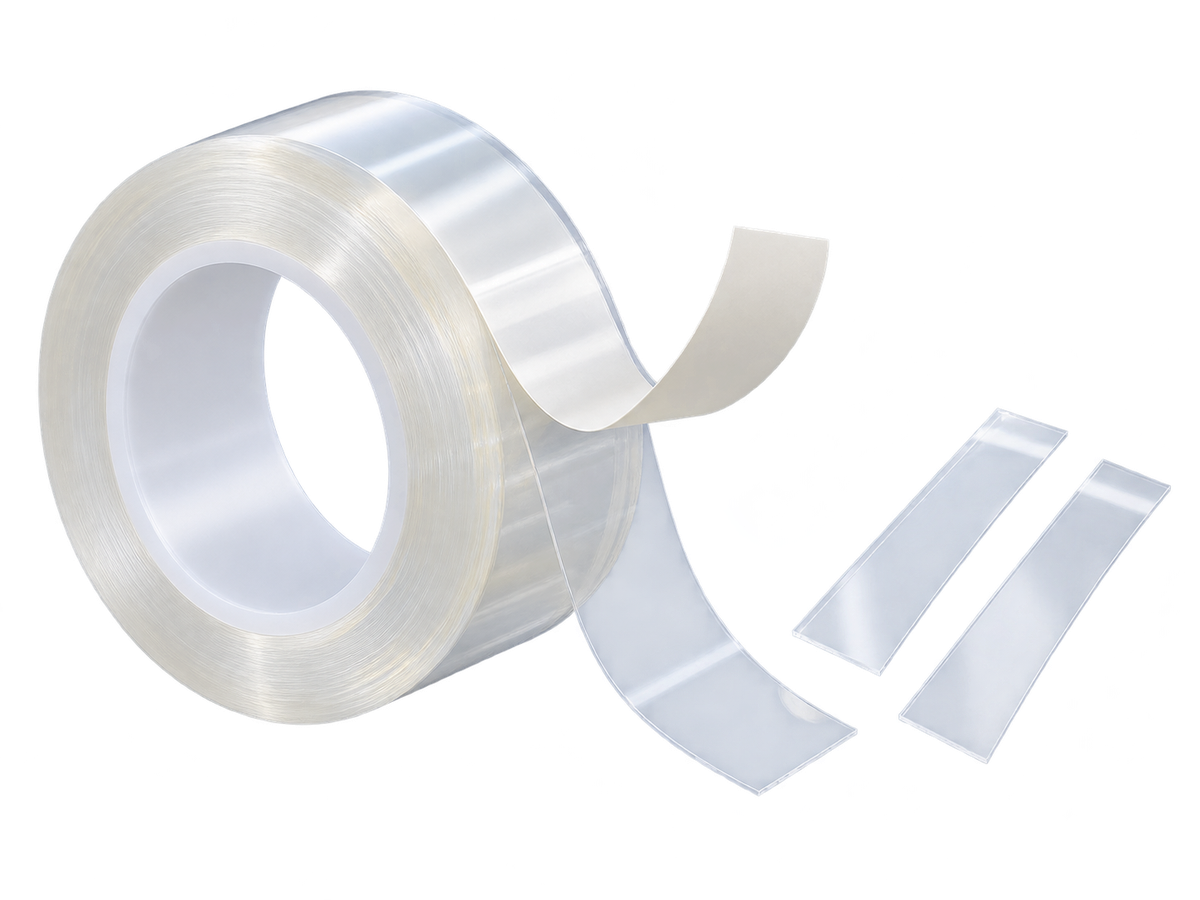
Direct answer
Define the assembly requirements, request option-specific dimensions, adhesive information and relevant test documentation, then evaluate samples against agreed acceptance criteria. The product catalog records a 30–205 mic thickness/dimension range and phone windows, LCD modules and sign mounting as application examples. Confirm the range’s measurement basis and coverage of individual options; the examples do not establish compatibility with a particular assembly.
Use the catalog facts as a starting point. Treat the inquiry, documentation and evaluation steps below as buyer process recommendations, not as catalog-backed test methods or evidence of product performance. Qualify a documented match for buyer-defined sample evaluation; do not qualify an option with a documented conflict. Mark missing evidence UNKNOWN and request clarification before advancing it.
Prepare an inquiry
Begin PET tape selection by recording requirements against which a proposed option can be assessed:
- Identify the intended assembly and where the tape will be used, so documentation and samples address the same use.
- Identify the substrates and their relevant surface condition, so the proposed option can be assessed against the actual interface.
- Record required dimensions and what each dimension measures, so a catalog range is not mistaken for an option specification.
- Describe operating conditions, so the evaluation addresses the intended conditions.
- List unresolved documentation questions, so missing evidence remains visible.
- Record buyer-defined sample acceptance criteria and agree them with the supplier before testing, so observations can be assessed consistently.
Use the existing Double Sided PET Tape product page as product context when preparing these requirements. The supplied catalog does not establish whether a particular option meets them. Keep incomplete requirements open for clarification rather than treating them as satisfied.
Sample evaluation
For buyers considering how to evaluate PET double sided tape, organize the evaluation around the proposed option and intended assembly:
- Agree buyer-defined acceptance criteria with the supplier before testing. Identify which criteria are critical; do not derive thresholds or a test method from the catalog.
- Record the option identity, actual assembly and evaluation conditions. Keep these attached to the results so findings are traceable to what was tested.
- Evaluate the sample against each agreed criterion. Record observations, each criterion’s result and unresolved questions.
- Reject or investigate an option that fails a critical criterion. Clarify or repeat an inconclusive evaluation. Limit a passing result to the tested option and conditions; do not extend it to other options or assemblies.
The catalog supplies context for this workflow only. It supplies no sample test method, numerical acceptance threshold or performance result.
Documentation requests
When deciding what specifications to request for PET double sided tape, tie every request to the proposed option and intended assembly.
| Request | Why it changes the decision |
|---|---|
| Option identity and dimensions, including the measurement basis | Connects a response to the option being considered and allows comparison with required dimensions. |
| Explanation of the catalog range and which options it covers | Resolves whether the recorded range is relevant to the proposed option. |
| Adhesive information for that option | Provides information to assess against the buyer’s stated interface and operating requirements without assuming adhesive chemistry. |
| Relevant test documentation, including the option and conditions evaluated | Allows the buyer to assess whether the documentation addresses the intended requirements. |
| Clarification of missing information or unresolved applicability | Keeps evidence gaps visible before sample qualification. |
Requesting these items does not establish that the documents exist or that the option has a particular capability. Qualify a documented match for sample evaluation, do not qualify a documented conflict, and mark unanswered or unclear requirements UNKNOWN pending clarification.
Catalog range interpretation
The product catalog identifies PET double-sided tape and records 30–205 mic in a thickness/dimension field. This is the available catalog statement for PET double-sided tape specifications; it does not resolve what is measured or which individual options the range covers.
Ask what the measurement includes, which options the range describes, and what dimension is documented for the proposed option. Compare that clarified dimension with the buyer’s requirement. Advance a documented match to sample evaluation; do not qualify a documented dimensional conflict. Keep an ambiguous measurement basis or unspecified option coverage UNKNOWN.
For a separate specification topic, see High Temp PET Solvent Tape — Spec Guide. That related reading does not establish temperature capability or adhesive chemistry for the PET option discussed here.
Application examples and fit
The product catalog lists phone windows, LCD modules and sign mounting as application examples. These examples identify catalog uses; they do not establish compatibility with a particular assembly.
When considering how to confirm PET double sided tape application fit, compare option-specific documentation with the intended substrates, dimensions and operating conditions. Qualify a documented match for sample evaluation in that assembly. Do not qualify an option with a documented conflict; mark missing evidence UNKNOWN and request clarification. Use the sample results to assess the tested option under the recorded conditions, without extending the conclusion to other assemblies.
Detailed LCD selection requires assembly-specific information beyond the examples supplied here.
FAQ
How should buyers evaluate pet double sided tape?
Define the assembly requirements, request option-specific dimensions, adhesive information and relevant test documentation, then evaluate samples against agreed acceptance criteria. Keep missing evidence UNKNOWN and limit conclusions to the documented or tested scope.
What should buyers include in a PET tape inquiry before requesting an option?
Record the intended assembly, substrates, required dimensions, operating conditions, unresolved documentation questions and agreed sample acceptance criteria. Use these requirements to assess each proposed option.
How should buyers organize sample evaluation before selecting PET double sided tape?
Agree buyer-defined criteria before testing. Record option identity, assembly, conditions, observations and each criterion’s result. Reject or investigate a critical failure; clarify or repeat an inconclusive result. Limit a pass to the tested option and conditions.
What specifications and supporting documents should buyers request for the proposed PET option?
Request option-specific dimensions and their measurement basis, adhesive information and relevant test documentation tied to the buyer’s requirements. Ask for clarification where the response does not identify the option or applicable conditions. These requests do not establish document availability.
What does the catalog’s 30–205 mic range establish, and what needs confirmation?
It establishes that The product catalog records that range in a thickness/dimension field. Confirm what is measured and which individual options it covers before using it to assess the proposed option.
How can buyers assess application fit when the catalog lists only examples?
Treat phone windows, LCD modules and sign mounting as catalog examples. Compare the proposed option’s documentation with the intended assembly requirements, then evaluate samples against agreed criteria. Keep undocumented fit UNKNOWN.
Discuss your PET tape application
Share the assembly, materials and dimensions so the proposed option can be assessed against your requirements.