
← Back to Blog
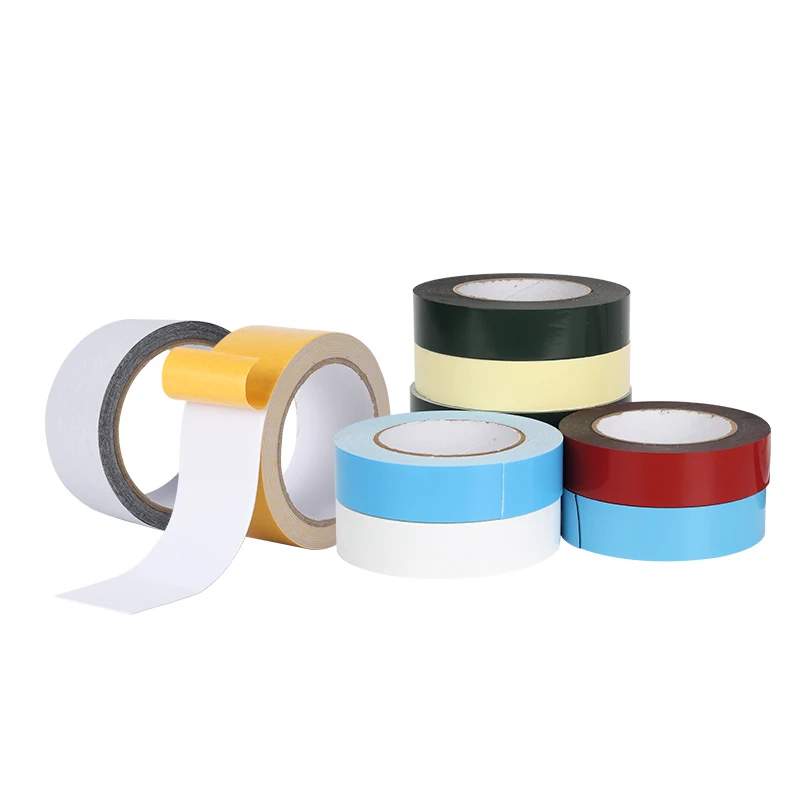
Structure matters more than thickness. When to use thin film tape vs VHB-class foam. This guide walks engineers and procurement teams through the essentials so you can specify the right construction the first time.
When to use Double Sided Tape
Double Sided Tape tapes solve bonding challenges where mechanical fasteners are impractical — uneven or fragile substrates, thin profiles, vibration damping, or a clean exterior appearance. Choosing the right variant depends on substrate surface energy, service temperature, load and environmental exposure.
Key technical considerations
Substrate surface energy.
High-surface-energy (HSE) plastics and metals bond readily; low-surface-energy (LSE) surfaces such as PP/PE need a tailored adhesive system.
Service temperature.
Match the adhesive and carrier to the highest sustained and peak temperature in the application.
Thickness density.
Foam tapes absorb shock and fill gaps; thinner film tapes give a precise, low-profile bond.
Compliance.
For regulated markets, confirm RoHS, REACH and relevant flame-retardant or food-contact requirements.
Why specify BROADYA
Since 2010 BROADYA has manufactured double sided and foam tapes in 11 series with ISO 9001, RoHS and REACH compliance, supplying OEM and industrial clients across 180+ countries. Our engineers support tape selection, die-cutting and custom OEM/ODM construction.
Need a tape recommendation?
Tell us your substrate, condition and target performance — we reply within 24 hours.
Related reading
Related products
Direct Contact
Prefer phone or WhatsApp? Reach our sales team directly.
- ✉Email
- ?
- ?WhatsApp