
APPLICATION GUIDE
Ultra-Thin Waterproof PE Foam Tape for Electronics: Define the Joint Before the Tape
Define the seal path, measured gap and device-level ingress test before comparing thin PE foam tape constructions.
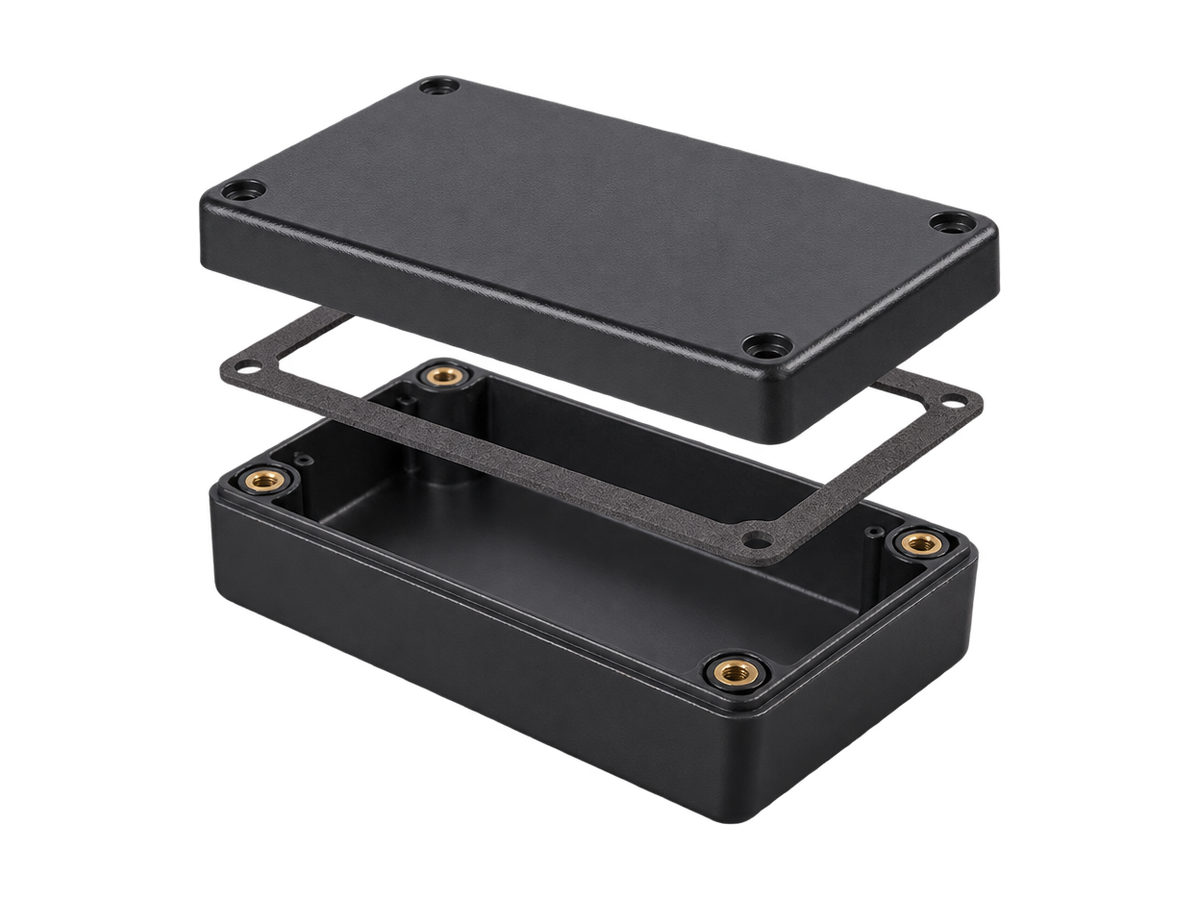
Direct answer. Before selecting a 0.15–0.5 mm PE foam tape for a phone, tablet, computer or watch seal, define the uninterrupted seal path, measure the assembled gap across its tolerance range, and set the compression window the joint must hold. Then test the completed device against its specified water and dust ingress target. “Waterproof tape” and a nominal thickness do not establish a device IP rating. Broadya’s public PE foam range lists thicknesses from 0.5 mm; supply of 0.15–0.4 mm grades remains unverified, so treat thinner targets as a sourcing or development request.
In practical terms, set the seal loop and land, measure gaps across tolerance extremes, define compression through a representative joint trial, and test the assembled device to its required ingress target.
Start with the seal path and the two mating surfaces
Draw the seal loop on the housing or assembly drawing. Mark the minimum bond land, corners, screw bosses, display edges, camera openings, microphones, buttons, connectors and any die-cut joints. Record both mating materials and finishes at each segment: for example, coated aluminum to glass, painted plastic to a display stack, or a battery edge to a housing. A single device can contain several interfaces that need separate checks.
The loop must remain continuous after placement and assembly. A gap around a fastener, a liner splice, a sharp corner or a narrow bond land can provide a path around otherwise water-resistant tape. IEC 60529 classifies protection provided by electrical enclosures. It does not rate a loose tape roll or establish a result for a particular device. The IP code applies to enclosures, not loose tape, and does not establish the test result for a particular device.
Turn 0.15–0.5 mm into a measured compression window
Measure the assembled gap at minimum, typical and maximum tolerance conditions, including housing flatness, part stack-up and fastener position. Compare each local gap with the candidate’s specified thickness and tolerance. Nominal tape thickness minus assembled gap is only a screening estimate of compression; it does not account for foam recovery, adhesive layers, housing deflection or load over time. Do not apply a universal compression percentage to every PE foam construction.
The candidate has to maintain contact at the widest gap without forcing excessive assembly load or damaging parts at the tightest gap. Compare those local gaps with the candidate’s stated thickness and tolerance; use actual assembly trials to establish a compression window, because no universal percentage applies. No universal compression percentage is supported for this buyer’s construction. Request the candidate tape’s thickness tolerance and compression or recovery data, then define the usable range with representative assemblies at the tolerance extremes.
Thin PE foam is available in the wider electronics market. For example, tesa 66212 is listed as a black, 150 µm PE foam tape for screen and touch-panel mounting in phones, watches, tablets and touch laptops. That is evidence of one named supplier’s construction and application scope, not evidence that a matching Broadya grade is available or that it will pass another device’s seal test.
Treat color and construction as separate specification fields
Record whether the requested tape is black or gray, where the color is visible, and whether edge appearance, light blocking or concealment matters. Color does not establish foam density, adhesive chemistry, thickness tolerance, waterproof performance or equivalence between suppliers. The tesa example above is black; it cannot validate a gray construction or a different adhesive system.
For each quote, specify the foam family, total thickness and tolerance, adhesive on each side, carrier or reinforcement if present, liner, width, die-cut outline, color and roll or sheet format. Ask whether thickness means foam alone or the finished tape. Hold the sample to the same drawing and revision used for the quote. Broadya’s published PE foam range is a starting point for the public 0.5 mm option; it does not confirm the requested 0.15–0.4 mm grades, colors or device-specific ingress results.
Separate the engineer’s decision from procurement’s comparison
The design or sealing engineer needs the seal geometry, minimum land, material finishes, gap measurements at tolerance extremes, allowable compression and assembly force, environmental exposure, and required device-level ingress test. The validation engineer needs the sample build conditions, conditioning sequence, pass criteria and failure inspection plan.
The procurement manager needs a quote that fixes thickness basis and tolerance, color, adhesive construction, liner, width, die-cut drawing revision, sample identity, lot traceability and any change-notification terms. Compare quotes only after those fields match. Two products described as “0.2 mm black PE foam tape” may differ in foam, adhesive, tolerance or die-cut geometry; matching shorthand alone is not a technical equivalence decision.
Validate the complete device, not the roll
Set the required IP code and applicable test conditions for the assembled product. Define whether units are tested as built or after relevant aging, temperature cycling, humidity, cleaning-agent exposure or mechanical use. Build representative units at the tight and wide gap conditions, use the intended application pressure and assembly sequence, then inspect for discontinuous contact, edge lift, squeeze-out and leakage location.
The joint can see compression along its supported path and peel at exposed edges. Include corners, openings and any edge that can lift during handling or service. Material coupons can screen adhesion, but only the specified completed assembly can establish the required device ingress result.
A decision-ready handoff
Send the housing drawing with the seal loop and die-cut revision, mating materials and finishes, minimum/typical/maximum gaps, requested thickness and tolerance, black or gray color, assembly force and process, environmental conditions, and required completed-device ingress target. Include the device type and the edge or interface where a leak would matter. Keep the target 0.15–0.5 mm range explicit, and flag 0.15–0.4 mm and gray as unverified Broadya supply until a matching construction is confirmed. This lets engineering assess fit and gives procurement comparable, traceable quotes without turning an external product example into a Broadya performance claim.
Discuss your application
Share the housing drawing, mating materials, gap range, requested thickness and color, and required ingress test for a construction review.